
Yes, ‘tis the season once again. Time to repost and reread this insanely useful study—your world will be rocked.
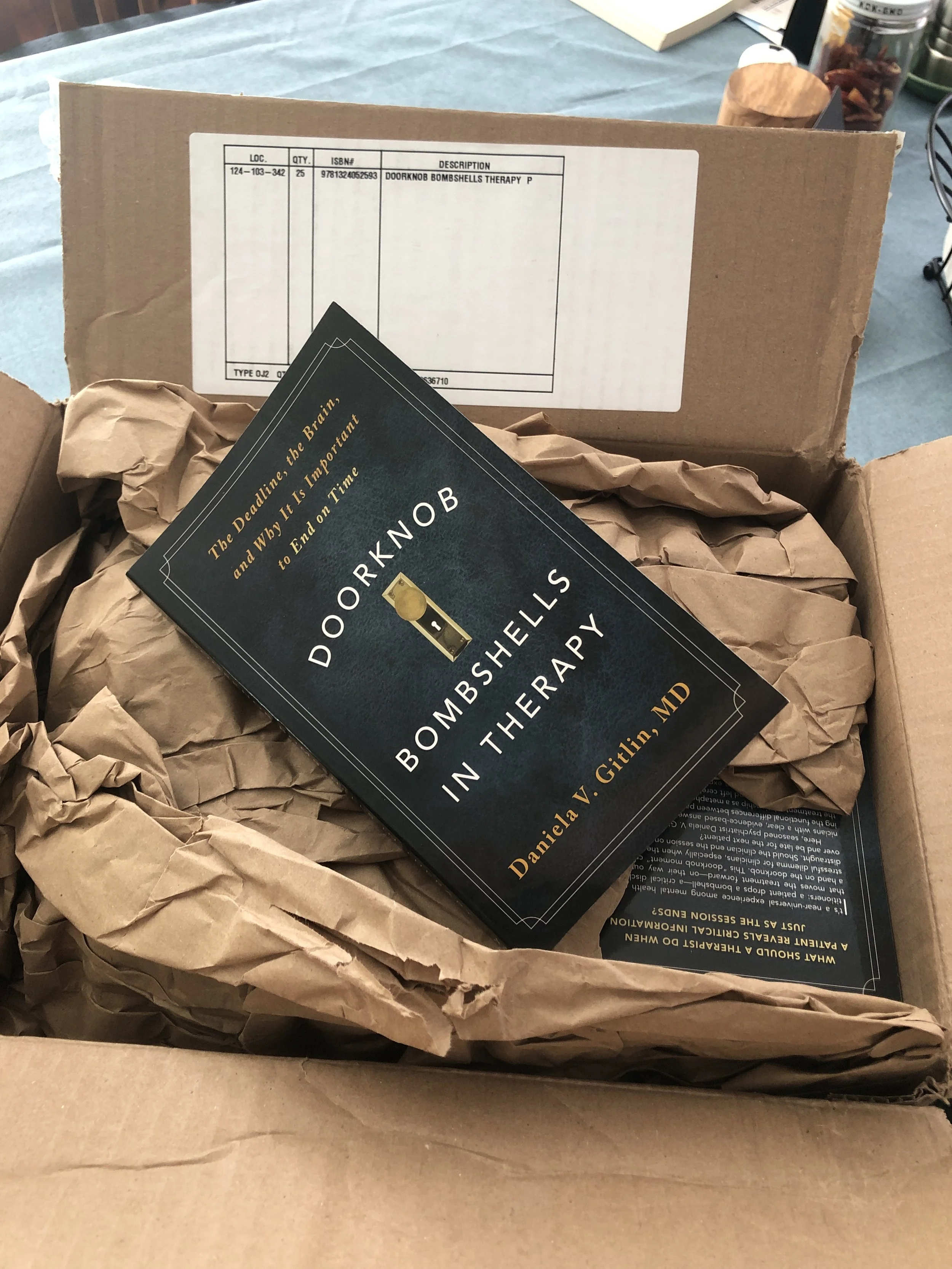
The Proud Author and W. W. Norton & Company are Thrilled To Announce the Publication of Her Second Book Today 9/17/2024.

Tragedy struck in the wake of a storm-related power outage a month ago on a Saturday night. But I didn’t know it yet.
Indeed they do! I’ve had quite the July.
On 7/18/24, I received a box of first editions of my second book! (That’s one.) The same day friends who had pre-ordered it, received theirs! (That’s two.) Oh. My. God. This book is really happening.

“A typical neuron makes about ten thousand connections to neighboring neurons. Given the billions of neurons, this means there are as many connections in a single cubic centimeter of brain tissue as there are stars in the Milky Way galaxy.” David Eagleman
This short, accessible, and frequently amusing book opens with “The Half Lesson: Your Brain Is Not for Thinking.” It’s not? Already my mind boggled. Then what’s it for? Wipe your mind of whatever you were thinking (ha) and prepare for a shock.
I bet you are asking yourselves: Doorknob bombshells? Doorknob bombshells in therapy? What is that?
A doorknob bombshell, also known as a doorknob moment, is a clinical phenomenon that occurs in a wide variety of settings. That’s when a patient drops distressing personal information critical to the treatment on their way out the door, hand on the doorknob, and then breaks down.
What should a caring clinician do when a patient does that? It’s a near universal dilemma for clinicians.

Since its inception in 1949, Mental Health Awareness Month has been all about making public, in a spirit of advocacy, the many, many challenges faced by millions of Americans living with mental health conditions.
But there’s not much out there about the working and personal lives of mental health providers. And what there is, is inaccurate, being based on fiction, such as the television sitcom Frasier. Let me make you aware of what my life as a psychiatrist is like.
Let me make you aware of what my life as a psychiatrist is like.

Yes! Not only that—I met my deadline. I am amazed.
You know what’s weird? I can’t remember writing it. Wait, that’s not accurate. I do remember the experience of writing it.
Ideas are everywhere, with two caveats. First, you have to notice them. Second, they’re not all good. By that I mean, worth developing.
What is a good idea?

Writing used to be my happy place. I used to be disciplined, reliable, and productive. Not anymore.
“How’s the book coming?” asks my friend Kristin, best-selling author and major procrastinator. She’s referring to the book W.W. Norton, major publisher of books essential to the practice of psychiatry and neurology, has advanced me actual money to write: 50,000 words, completed manuscript due October 2023.
“Terrible,” I say. “I oversleep, dawdle away the delegated time, then feel relieved when the time runs out. I don’t recognize myself!!!”

I was invited—out of the blue— to write an academic book by W. W. Norton, a publisher of books essential to the practice of psychiatry and neurology. I’ve been writing and practicing psychiatry for decades in obscurity and felt like a long-time actor might feel who gets “discovered overnight”— Disbelieving. Thrilled. Validated.
Thinking through how it happened makes me believe that you, too, can write an article that leads to a book deal.
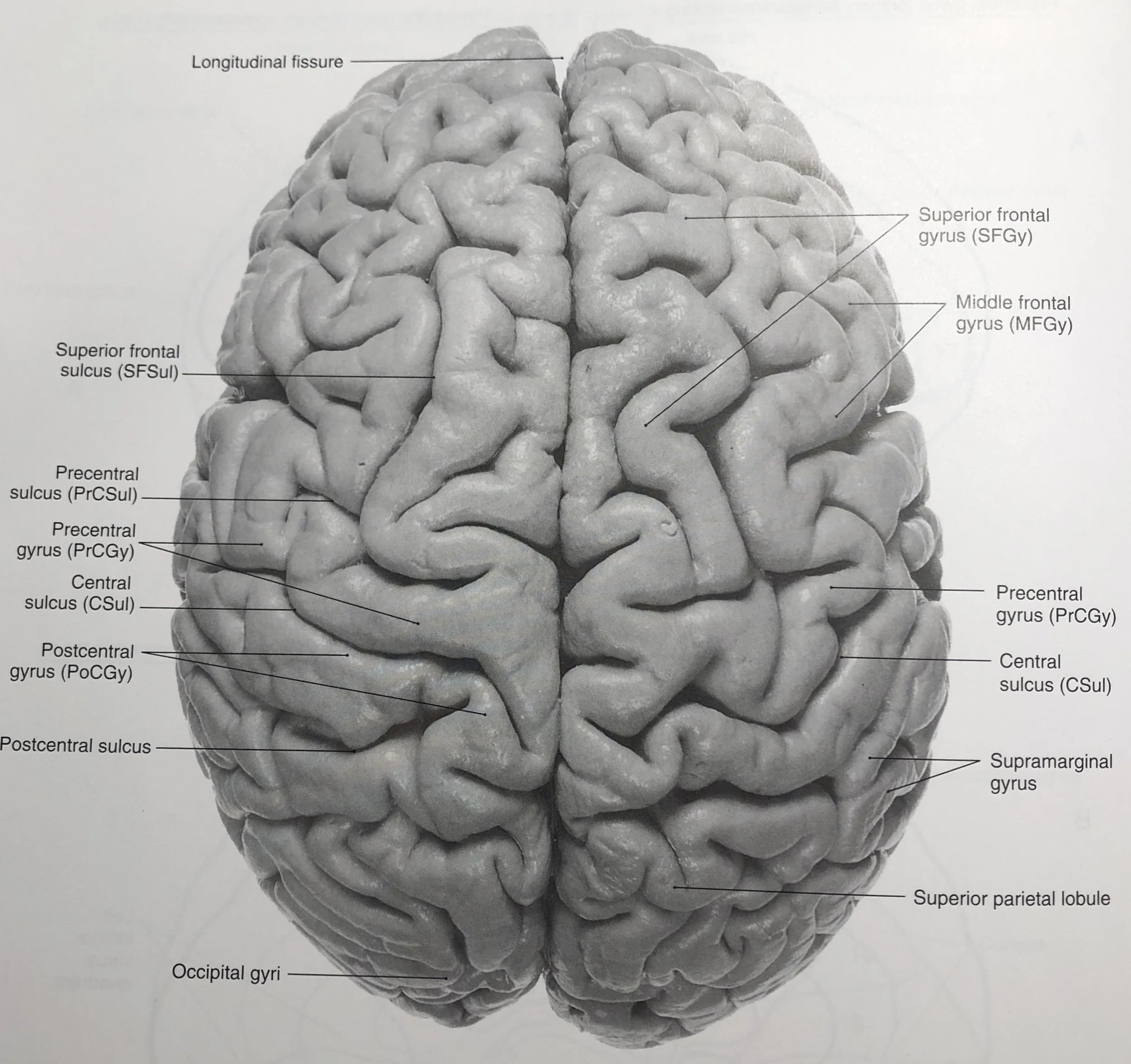
On average I read eight to ten books a month, fiction and non-fiction, for a couple hours at the end of my day in bed. Since July, after landing the book deal with W.W. Norton, I’ve also been reading one book—The Master and His Emissary: The Divided Brain and the Making of the Western World by Ian McGilchrist, MD, a British psychiatrist and philosopher—for a couple hours most mornings at the desk after a few cups of coffee.
How many pages do I read in two hours? About ten. The material is so dense, I have to take notes to stay focused. (More on that in a few paragraphs.) I haven’t worked this hard since medical school!

Harvest lust—what is it? You know how it is when you go to an orchard to pick your own apples. The trees are heavy with fruit and the air smells sooo sweet from the apples and you take a bite of one and it’s delicious and you lose your mind and pick waaaayyy more than you intended. That’s u-pick lust. Harvest lust is u-pick lust on steroids.
Every fall, harvest lust grabs me because

I have a book deal! With W.W. Norton! For an academic book!
That’s amazing all by itself given I’m a rural shrink toiling in the back forty of upstate New York untethered from academia. But here’s what totally blows my mind.
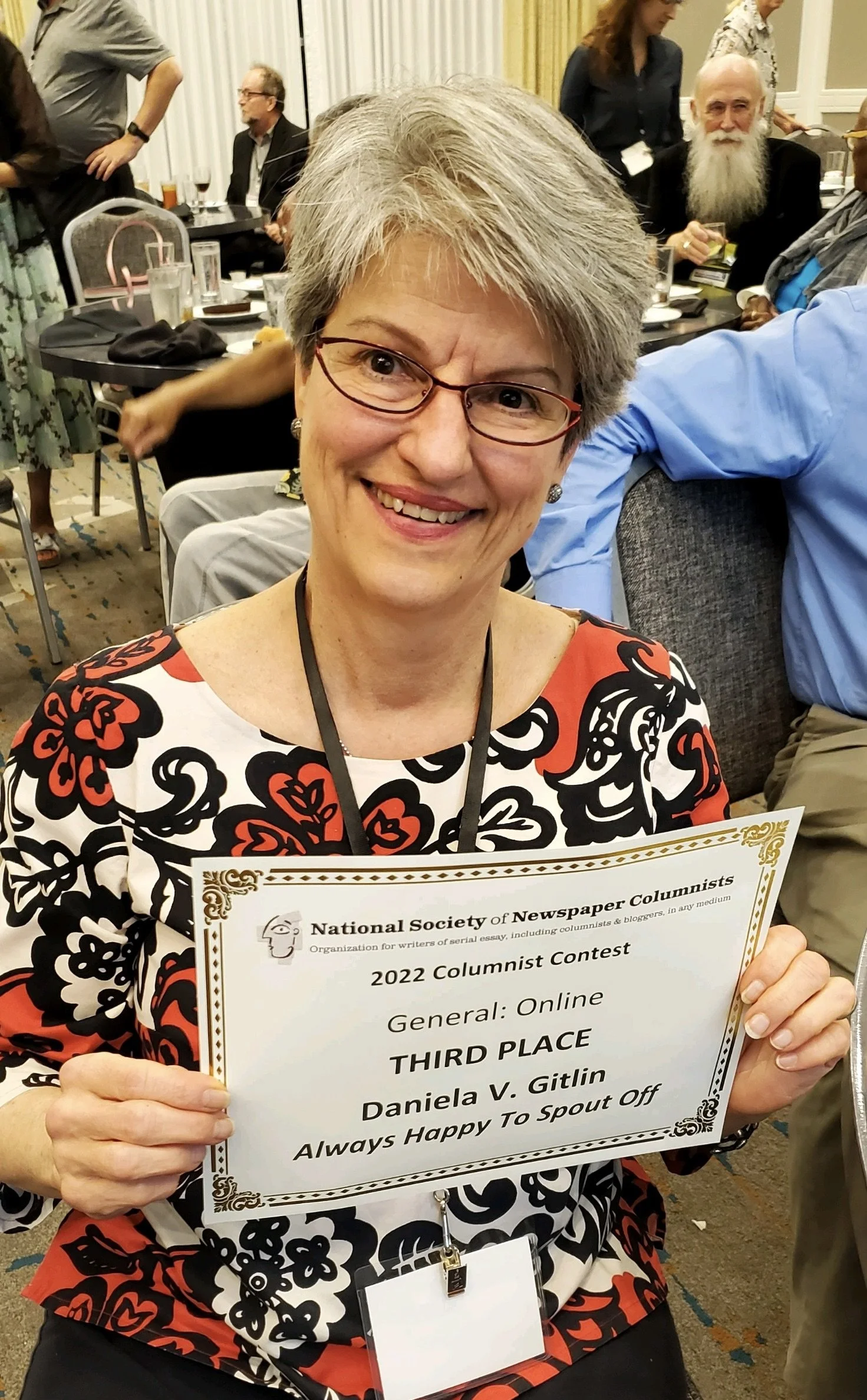
The National Society of Newspaper Columnists: Organization for writers of serial essay, including columnists and bloggers, in any medium awarded me a third place in the General Interest: Online category of their 2022 contest. I am so delighted!
When I submitted two 2021 posts from this blog, I wasn’t fully aware of the level of competition.

According to Google, Imposter Syndrome is “loosely defined as doubting your abilities and feeling like a fraud. It disproportionately affects high achieving people who find it difficult to accept their accomplishments.” Is this you? Me too. The wordsmith who coined the term probably did so ironically. Though, as a shrink, I would include the syndrome as a legitimate diagnosis in the DSM, the Diagnostic and Statistical Manual of Mental Disorders. It’s real, with real consequences.
May is Mental Health Awareness Month. Why not perpetrate some shameless self-promotion? My book Practice, Practice, Practice: This Psychiatrist’s Life will make you aware of the view from my side side of the couch. Spoiler Alert—the following YouTube video, a seven minute speech which I gave at my local Toastmaster’s club, is based on one chapter from the book.

The door from the garage into the house was locked. We hadn’t had a key to this door for years. Don’t ask. Which is why we never turned the little thingie on the inside knob to the locked position. How had that happened? I shook the doorknob again. No luck.
I looked at Son, aged nine, beside me.
My mother, a perfectionist, believes perfection is excellence. And—this is important—if you’re not suffering, you’re slacking. For my growing up and training years, I bought that. But aging and real life—taking care of patients, writing, cooking, parenting—have taught me to pursue excellence instead.

Finally, after practicing for days giving my speech from memory—before my friend Joan; between clients; while on hold as my tech genius figured out what was wrong with my office computer; at home cooking dinner and after, doing the dishes; as I applied lipstick in the rearview mirror, and drove to the public library where the Toastmasters meeting was happening—finally, I was standing before the camera (it was a hybrid meeting) and my fellow Toastmasters, ready (as I’d ever be) to give my speech.

I wrote this piece years ago, when Donald Westlake was my favorite author. (Today, he is one of my favorites.) I admit that reposting it now carries a whiff of nostalgia—COVID has changed my shopping habits. I shop less, and go during off hours so as to spend the least time with the most social distance. That protects my health, of course. But it sacrifices the fun of eavesdropping. I miss that.
Enjoy this brief hop back to a COVID-free holiday season, and the excerpt from one of Westlake’s best, Bad News, featuring Dortmunder, and the regulars at the OJ.

Every competent physician regularly reads the professional literature to keep abreast of the latest research. Also, to accumulate the mandated 30 CME’s (Continuing Medical Education credits) a year to stay licensed.
This excerpt from my memoir, Practice, Practice, Practice: This Psychiatrist’s Life is one such study—if that’s what it is. The research was done well before COVID, but the findings are robust enough, Dr. Fauci says, that they apply to any viral assault, including the current pandemic.
Yes, this is such an insanely useful study—your world will be rocked. Guaranteed. Call me Santa. You’re welcome. By the way, the book makes a great gift. (hint hint) Get vaxxed. Stay masked. Happy holidays!
Holiday Family Gatherings a Contributing Factor to Yearly Winter Flu Epidemic, Study Reports
By D. Essem
December, DweebMD, Internet Medical News. A landmark study published last month in the esteemed science journal Family Hell asserts that holiday revelry with relatives “is so stressful to the immune system, it collapses like a building seeded with dynamite,” says I. M. Trapt, M.D., primary researcher and family member.
“Extensive research has already concluded
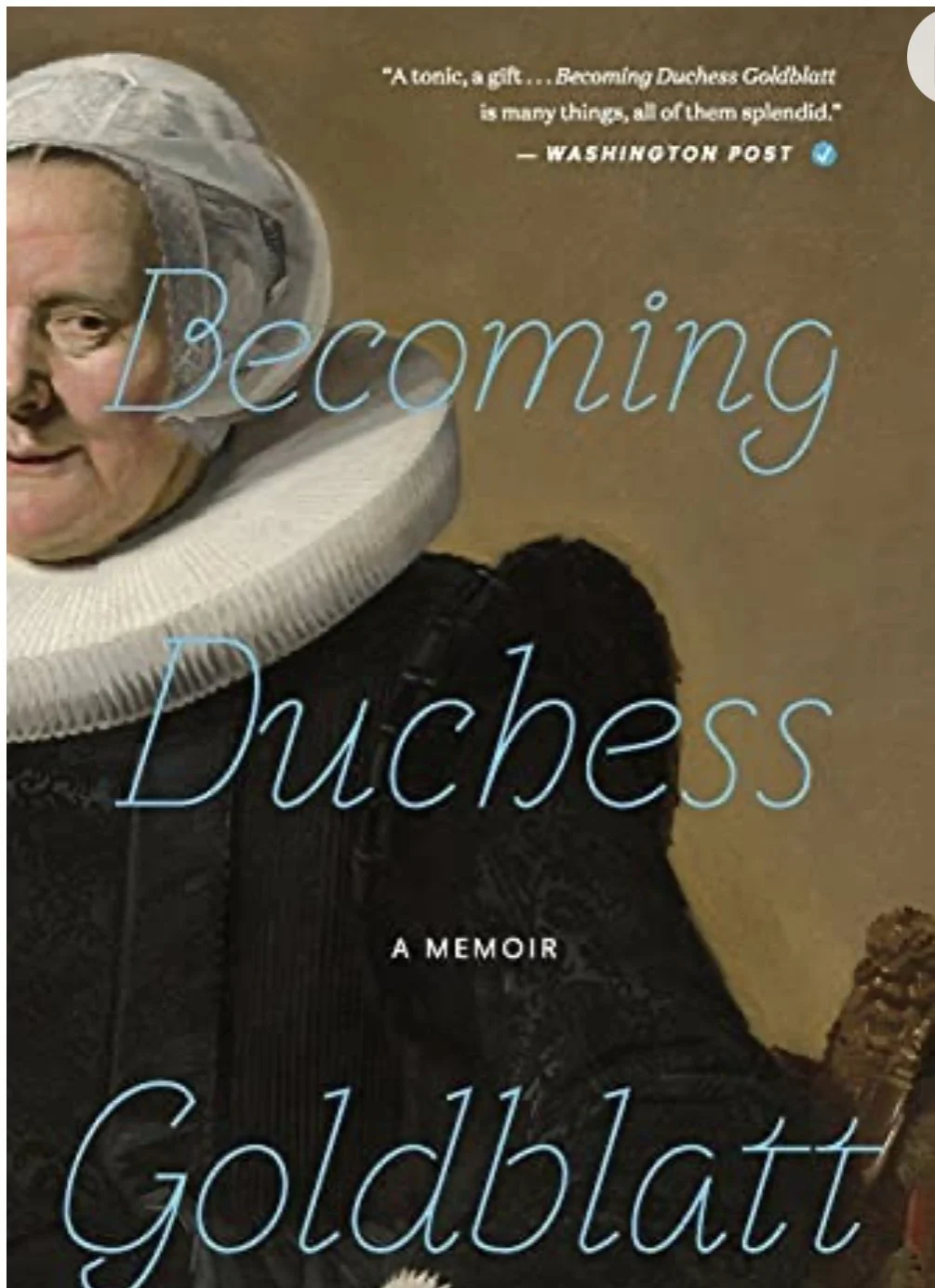
This is one of the best books I’ve read, ever. It’s simply beautiful, a work of art that transcends its genre. The author’s journey exemplifies cartoonist and MacArthur Genius Grant recipient Lynda Barry’s contention that “We don’t create a fantasy world to escape reality. We create it to be able to stay.”
How does the author keep going when she loses everything that makes her life meaningful and worth living?
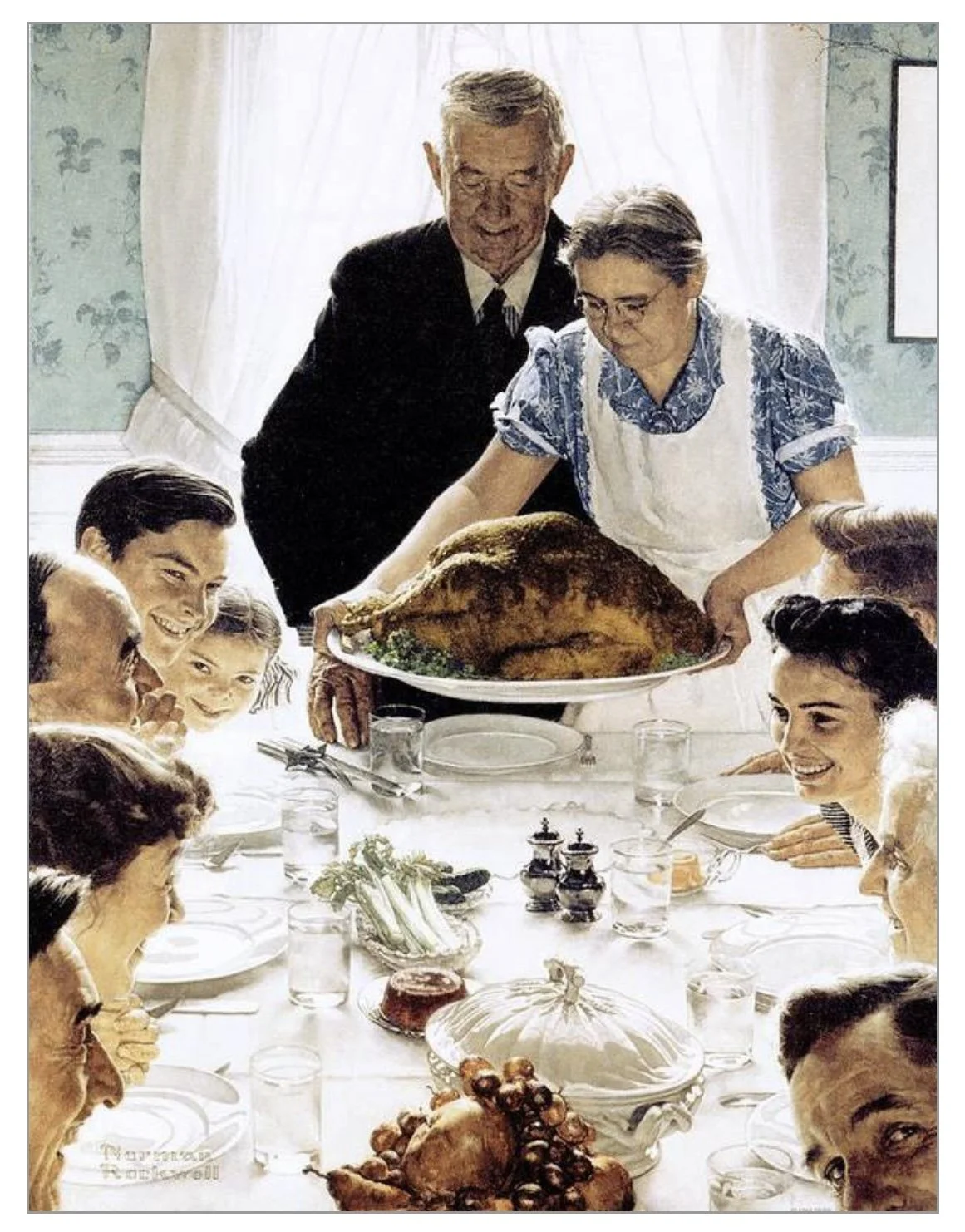
I look at this iconic painting of the iconic white American family sitting at table celebrating that most American of holidays, Thanksgiving—Ma at the head, eye drawn to the huge roasted turkey on an oval platter that she’s bending to place on the table; Pa, black-suited, standing behind, not helping her—and think to myself: only a man could have painted this image, a man who never once hosted a large gathering; or roasted, carved and served a whole turkey.
How do I know? I have roasted, carved and served many whole turkeys over the years—the largest, a twenty-one pounder— and let me tell you: it’s not possible to quickly and neatly slice that baby at table surrounded by impatient, salivating loved ones.

It was the early 90’s. Crack cocaine, cheap and plentiful, was burning like an unchecked forest fire through the City. Emaciated addicts, suicidal and psychotic in the crash following the high, swamped my emergency room. Car break-ins by users desperate for quick cash were all too frequent. But parking the car in a garage was ruinously expensive. Riding the subway into Manhattan added an hour to the round-trip. I kept driving in and parking on the street, fingers crossed, hoping for the best.
Of course my car was broken into.
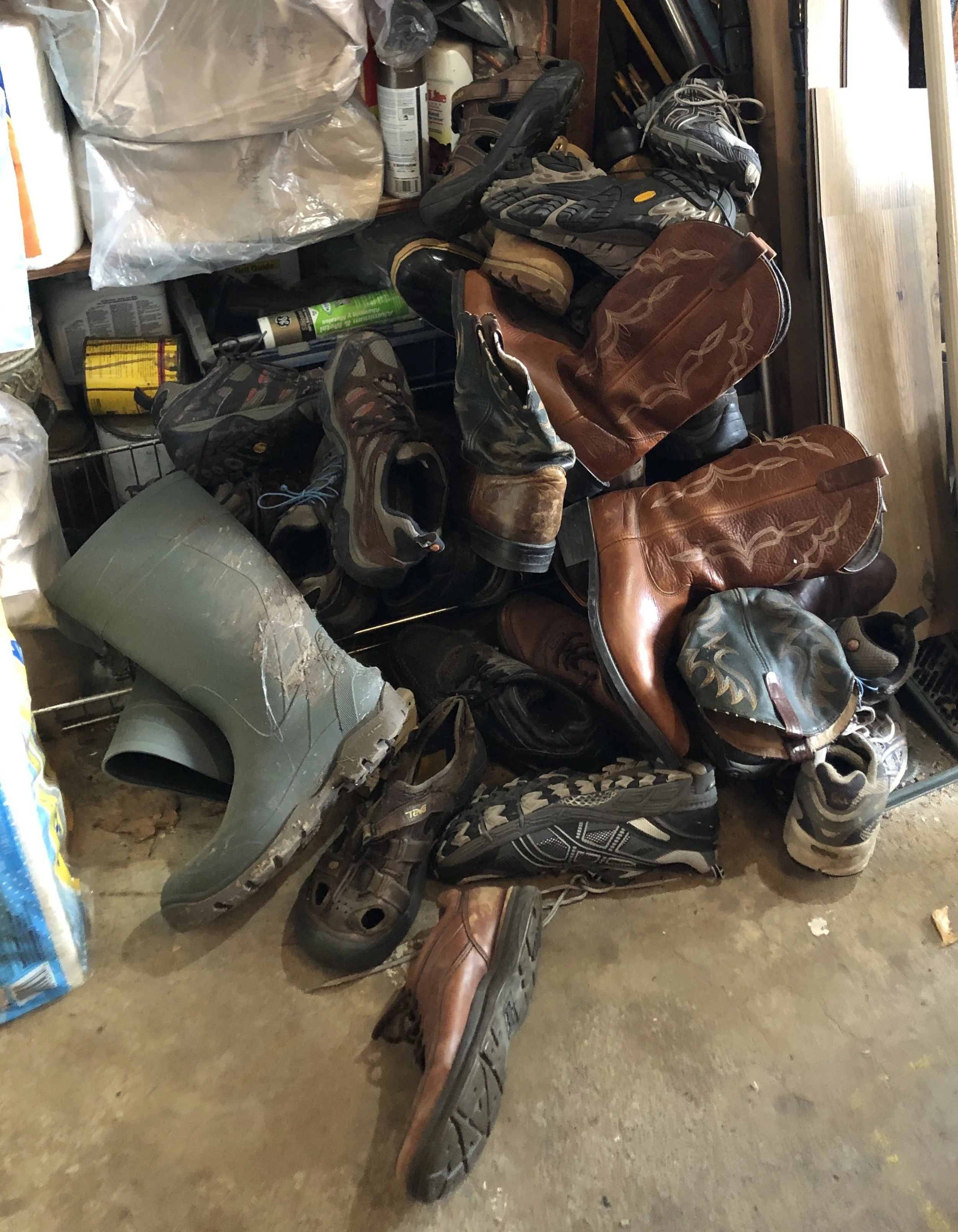
Storage. That’s my problem with Hubby’s shoes. They pile up. They drift. They wander into places where they shouldn’t be. How many times have I tripped over one?

Halloween is upon us and as usual, it’s cold and windy, nasty and sleety. Terrible weather for taking the old broom out for a ride. Far colder than my witch’s heart above the roof line, especially when flying at speed. But needs must when this devil drives. Hee hee hee.
Tough though, to keep that slim silhouette against the yellow moon—

I love being home and resist embarking on any journey, even if only to go to work. Though once I’ve broken free of the nest’s tractor beam, I enjoy getting away. It’s fun and challenging to see new things, eat new foods, make do with what I have on hand, problem solve getting from here to there. The pleasure of a pleasant chat with an interesting stranger can’t be underestimated.
All that excitement provides the necessary contrast for the peak of the trip—
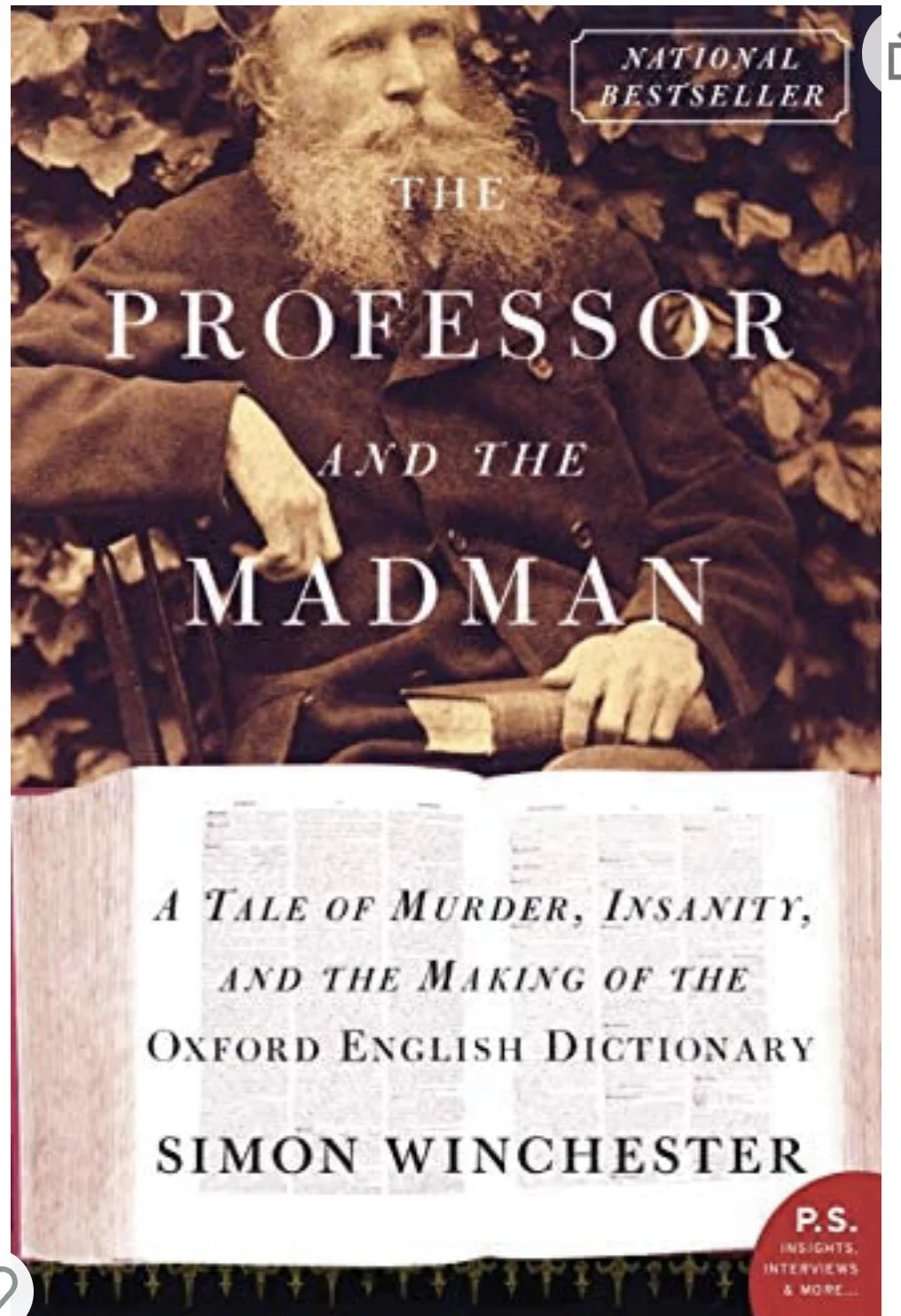
This surprisingly moving narrative set in Victorian England braids together three histories. First, the making of the great Oxford English Dictionary (OED), which took seventy years to complete. Second, the life of the professor, Dr. James Murray, the OED’s third and justly most famous editor, who worked on it for the last forty years of his life. And third, the life of the madman, Dr. William Chester Minor, major contributor to the OED, an American, Yale educated physician, whose illustrious career as a Union officer and surgeon during the Civil War ended due to mental illness that rendered him “unfit for duty” and led to tragedy.

Intriguing title! I thought. What does the back cover say? My reader taste buds tingling, I plucked the book off the shelf of the wall book display. (Is there anything better than browsing a curated indie bookstore?) I flipped it over.
“ A tale so mind-blowing as to be the stuff of legend.” –The Denver Post
Isolated by Mexico’s deadly Copper Canyons, the blissful Tarahumara Indians have honed the ability to run hundreds of miles without rest or injury.
What?! As a physician and failed jogger (all pain, no gain), these words stopped me short. Deadly? Blissful? Ability to run hundreds of miles? Without rest or injury?
In a riveting narrative, award-winning journalist and often-injured runner Christopher McDougall sets out to discover their secrets.
I bought the book.
About The Author
Welcome! What's this human’s life like? Just like yours: too much to handle gracefully. Here you’ll find writing on the epic theme: What now? I post weekly-ish. Except when I don’t. Read more….
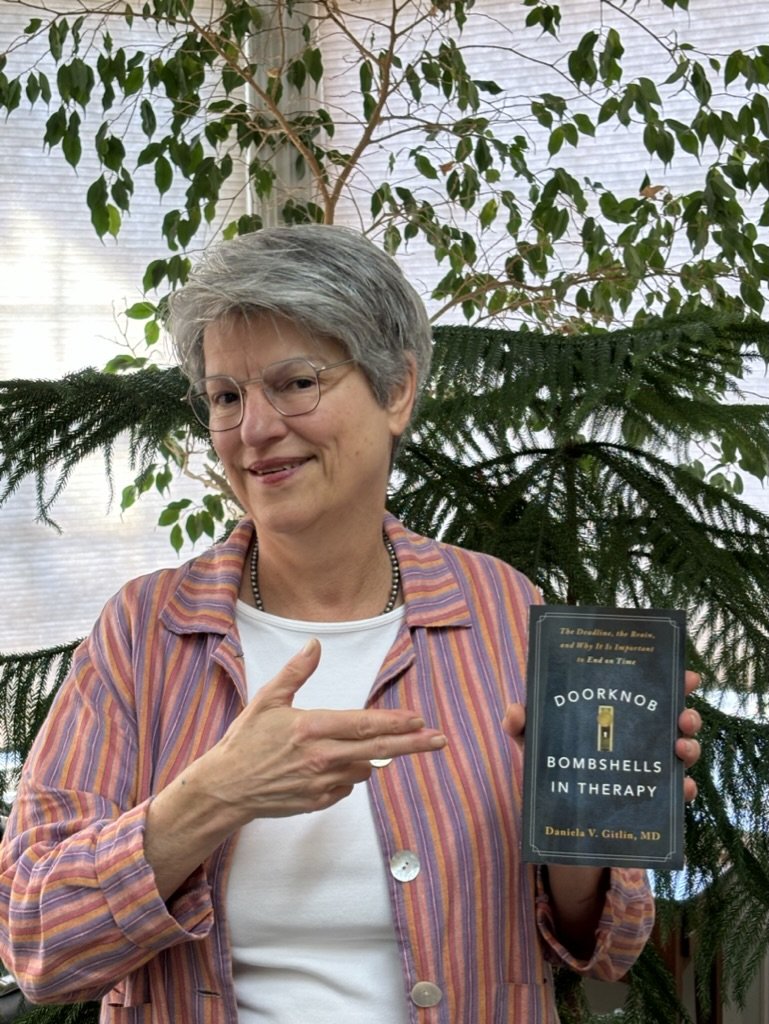
My new book!
“Doorknob Bombshells in Therapy is an in-depth exploration of the complicated and powerful relationship between a patient and therapist. By exploring the moment that leads to the end of a therapy session, Dr. Gitlin provides insight in the entire meaning of the therapeutic alliance that is built.” Jeffrey Stovall, MD, profession of clinical psychiatry, Department of Psychiatry and Behavioral Sciences, Vanderbilt University
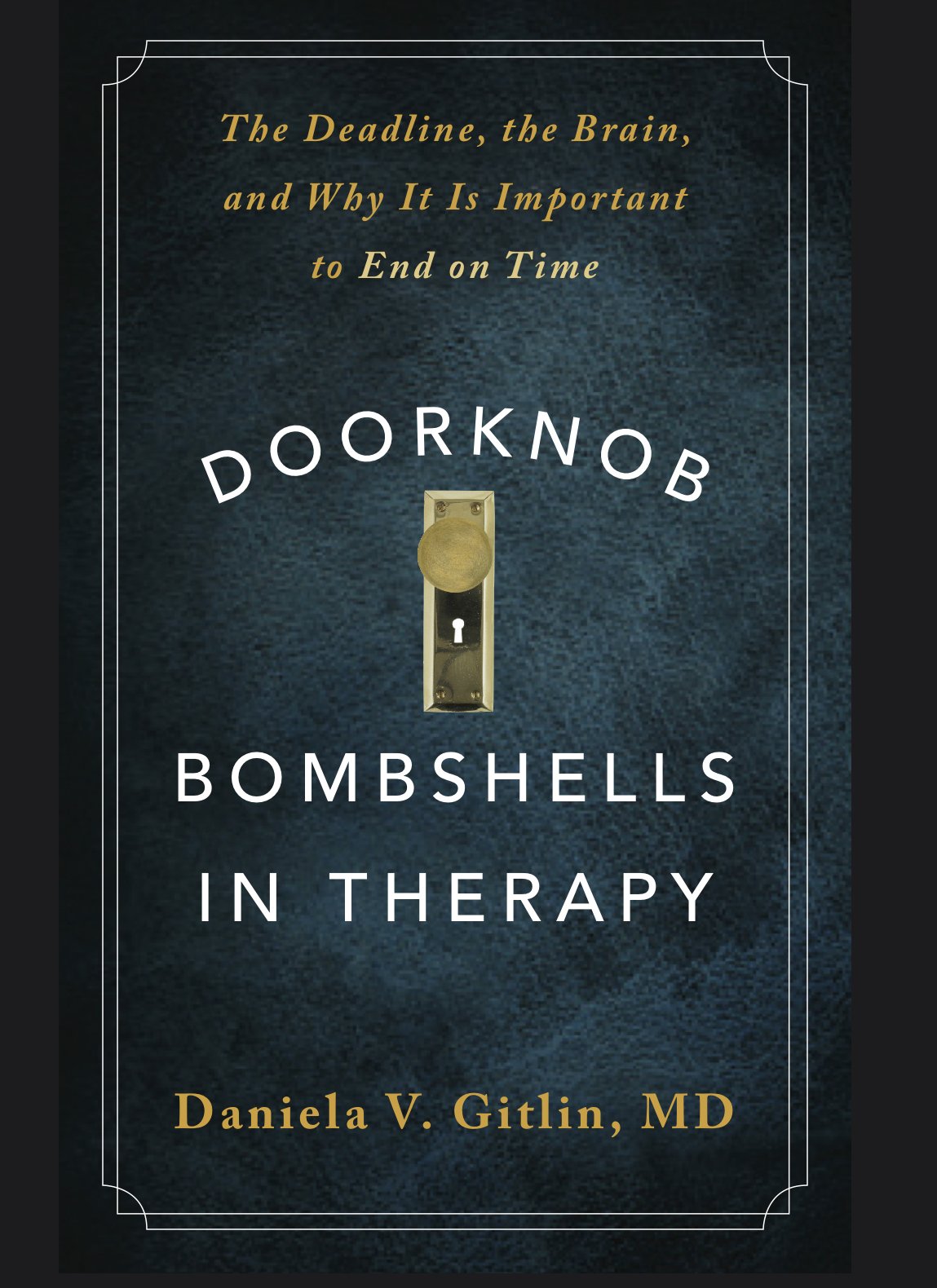
Official launch 9/17/24. Pre-order and get it now along with 20% off and free shipping.
Yes, ‘tis the season once again. Time to repost and reread this insanely useful study—your world will be rocked.